
Introduction
Liquid cooling, using cold plates, has now reached high levels of performance, enabling the cooling of complex systems with high heat dissipation densities. The construction of these cold plates can be achieved by assembling a pipe (made of copper or stainless steel, depending on the application) with an aluminum plate [PT Pipe Cu – Priatherm & PT Pipe SS – Priatherm], or by directly creating the fluid circulation channel within the plate itself, subsequently sealing everything with a metal sheet or a second plate through the brazing process [PT Zed – Priatherm].
These solutions are highly effective in managing the thermal requirements of various complex systems, but their thickness and weight can be critical in some applications like energy storage.
Application field
For several years now, battery systems for energy storage have been widely adopted, and with continuous technological advancements, their market presence will only grow.
Lithium batteries are becoming increasingly relevant, used both for storing energy from renewable sources (such as photovoltaic systems) and in the automotive sector, either to power vehicles or within charging stations. A typical characteristic of these batteries is their reliance on chemical reactions, which slow down at temperatures below 15°C, reducing their performance. Moreover, when operating above 35/40°C, these batteries tend to degrade, losing their charging capacity. As a result, thermal management is a key factor in ensuring product competitiveness and quality.
The challenge
Once the main issue in this field has been identified – maintaining the battery pack within an optimal temperature range – another set of requirements must be met. Although the thermal resistance demands in this application are not as critical as in other power electronics sectors, due to the lower power levels involved, the key factors in evaluating an effective solution are:
- Lightness
- Reduced thickness
- Good temperature uniformity (low thermal gradients) across the battery pack surfaces
With traditional manufacturing methods (such as machined aluminum channels or metal pipes), achieving plates thinner than 10–12 mm is challenging and economically inefficient. Consequently, cold plates tend to be too heavy.
Solution
To overcome this challenge, it was necessary to completely rethink the production process: instead of machining a solid aluminum plate, the fluid channel is created by stamping a metal sheet of appropriate thickness. This significantly reduces both the cost of machining and the cost of raw materials.
The channel is then sealed by brazing a second metal sheet, ensuring:
- Hydraulic sealing of the plate under operating pressure or potential pressure spikes in transient conditions
- A flat surface for optimal contact between the plate and the battery cells
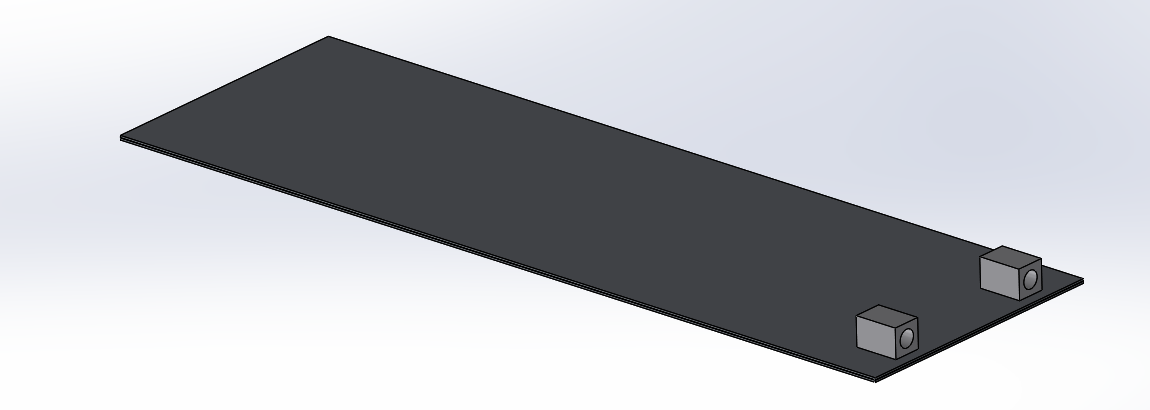
With this new product line, customizable to meet the diverse needs of our customers, we assure the high levels of quality and performance typical of PRIATHERM products while also offering a more cost-effective, thinner, and lighter cold plate.